

float glass tempered
Precision Welding The Cornerstone of Manufacturing Excellence In the realm of advanced manufacturing and engineering, precision welding stands as a pivotal process, enabling the creation of robust, reliable, and intricately designed components that form the backbone of various industries. A precision welding table, therefore, is more than just a piece of workshop furniture—it's an essential tool in achieving unparalleled accuracy and repeatability in welding applications. This article delves into the significance of precision welding tables, their design features, and how they contribute to enhancing productivity and quality in today's demanding fabrication environments. **The Heart of Precision** At its core, precision welding involves joining materials, typically metals, with meticulous attention to detail, ensuring minimal distortion and absolute conformity to design specifications. This level of precision is crucial in industries like aerospace, automotive, medical devices, and renewable energy, where even minute deviations can compromise structural integrity or functionality. A precision welding table serves as the stable platform upon which these intricate operations take place, equipped with features tailored to facilitate meticulous weld placement and control over working conditions. **Design Features That Make a Difference** A well-designed precision welding table incorporates several key attributes to enhance welding accuracy 1. **Stability & Rigidity** Constructed from heavy-duty steel or reinforced alloys, these tables withstand the intense heat and pressure associated with welding while maintaining their form, ensuring that workpieces remain stable during the process. 2. **Modularity & Adjustability** Modular clamping systems and adjustable fixtures enable precise alignment and securing of workpieces, accommodating a wide range of shapes and sizes. This adaptability is vital for complex assemblies, allowing for repeatable setups and minimizing setup times. 3. **Magnetic Pads or Grids** Some precision tables incorporate magnetic surfaces or grids that securely hold ferrous materials without the need for additional clamps, further streamlining the setup process and reducing potential warping from excessive clamp pressure. 4 4 4 4 precision welding table . **Precision Measuring Tools** Integrated rulers, angle guides, and leveling instruments facilitate accurate measurements and positioning, ensuring weld seams align perfectly to blueprints. 5. **Vibration Dampening** Advanced designs may include vibration dampening features to minimize disturbances that could affect weld quality, especially when working with sensitive materials or intricate geometries. **Enhancing Productivity and Quality** The implementation of a precision welding table significantly contributes to both productivity and quality control within manufacturing facilities - **Reduced Rework** By ensuring accurate weld placement from the outset, these tables minimize the need for rework, saving time and resources. - **Increased Efficiency** With quick setup and adjustment capabilities, operators can switch between tasks rapidly, optimizing workflow and throughput. - **Consistent Outcomes** Repeatable setups lead to consistent welding results, critical for meeting stringent industry standards and customer expectations. - **Worker Comfort and Safety** Proper ergonomics in table design reduce operator fatigue and risk of injury, fostering a safer and more productive work environment. **Conclusion** In the quest for manufacturing excellence, precision welding tables are indispensable assets. They embody the synthesis of innovative design, advanced materials, and a deep understanding of the complexities inherent in high-precision welding tasks. As technology continues to advance, so too will the capabilities of these tables, further pushing the boundaries of what can be achieved in terms of accuracy, efficiency, and overall product quality. In essence, investing in a precision welding table is not just about acquiring a tool; it’s a commitment to achieving the highest standards in modern manufacturing processes.
about
float glass tempered
Understanding Level Suppliers in Supply Chain Management In today’s globalized economy, the concept of suppliers plays a crucial role in the success and efficiency of any business. Among the various categories of suppliers, level suppliers are particularly significant, as they represent different tiers in the supply chain. Understanding level suppliers, their roles, and how they impact businesses is essential for anyone involved in supply chain management. What are Level Suppliers? Level suppliers are categorized based on their proximity to the manufacturer or end-user in the supply chain. They are often classified into three levels 1. First-Tier Suppliers These are direct suppliers who provide materials or components to manufacturers. For instance, if a car manufacturer sources tires directly from a tire manufacturer, the tire supplier is considered a first-tier supplier. 2. Second-Tier Suppliers These suppliers provide products or materials to first-tier suppliers. Using the car manufacturing example, if the tire manufacturer sources rubber from a rubber processor, that rubber processor is a second-tier supplier. 3. Third-Tier Suppliers Often further removed from the end manufacturer, these suppliers provide raw materials or components to second-tier suppliers. In our example, if the rubber processor sources natural rubber from plantations, then those plantations constitute third-tier suppliers. This tiered system helps businesses manage their relationships with suppliers more effectively, allowing them to understand the complexities of their supply chains and the interconnections between different supplier levels. Importance of Level Suppliers 1. Cost Management By identifying and managing levels of suppliers, businesses can better control costs. First-tier suppliers may charge more for their goods, but they often provide higher quality or more specialized products. By examining the entire supply chain, companies can find ways to reduce costs without sacrificing quality. level supplier 2. Quality Assurance The level of a supplier often directly impacts the quality of the finished product. Manufacturers must ensure that not only first-tier suppliers meet quality standards but also that second- and third-tier suppliers do as well. This can be achieved through supplier audits and assessments, ensuring that quality is maintained throughout the supply chain. 3. Risk Management Understanding supplier levels aids in risk management. Disruptions can occur at any level of the supply chain, so being aware of the entire network of suppliers helps businesses prepare for potential issues. For example, if a natural disaster impacts third-tier suppliers, it may affect first-tier suppliers, and consequently, the manufacturer. Being aware of these levels allows companies to diversify their supplier base, reducing dependency on single suppliers and mitigating risk. 4. Improving Collaboration Effective collaboration with suppliers at all levels can lead to innovation and improved processes. By fostering strong relationships with first, second, and third-tier suppliers, companies can encourage new ideas and solutions, leading to enhanced products and services. 5. Sustainability As sustainability becomes increasingly important in today’s market, companies must consider the practices of their suppliers at all levels. Understanding where materials come from allows firms to ensure they are sourcing sustainably, thereby improving their overall environmental impact. Challenges in Managing Level Suppliers While the benefits of managing level suppliers are numerous, challenges do exist. Communication can become complex as the number of supplier tiers increases, and ensuring compliance with standards at all levels can be difficult. Additionally, businesses often struggle with transparency in their supply chains, making it hard to track the origins of materials and the practices of all suppliers involved. Moreover, geopolitical issues, trade policies, and fluctuating market conditions can further complicate supplier relationships. Adopting technologies such as blockchain can help improve transparency and traceability in the supply chain, but these innovations also require investment and training. Conclusion In conclusion, understanding level suppliers is vital for creating an efficient and resilient supply chain. By categorizing suppliers, businesses can better manage costs, quality, risks, and sustainability practices. While challenges exist, the benefits of effectively managing level suppliers far outweigh the potential drawbacks. As the business landscape continues to evolve, organizations that prioritize and streamline their relationships with suppliers at all levels will be better positioned to thrive in an increasingly competitive environment.
-

High quality industrial productsagement

High quality industrial products
View Details -

Meet the diverse needs of customers

Meet the diverse needs of customers
View Details -

Strict quality control

Strict quality control
View Details -

Top raw materials

Top raw materials
View Details -

Trusted supplier

Trusted supplier
View Details
Our application
news and information
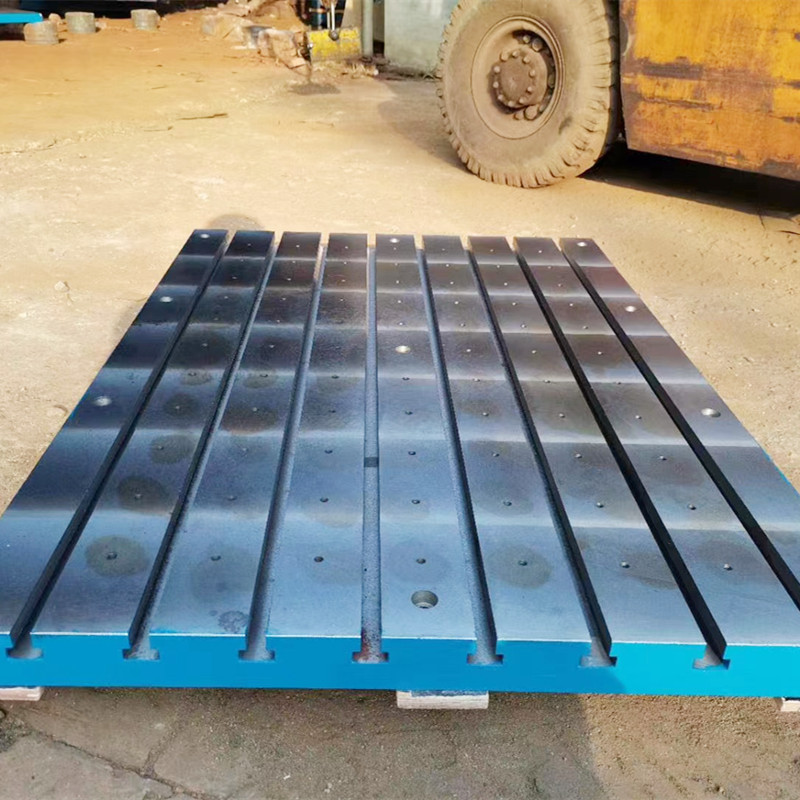
Welding Table Clamps for Enhanced Precision and Stability in Metalworking Projects
The Importance of Welding Table Clamps in Metal Fabrication Welding is a crucial process in the meta
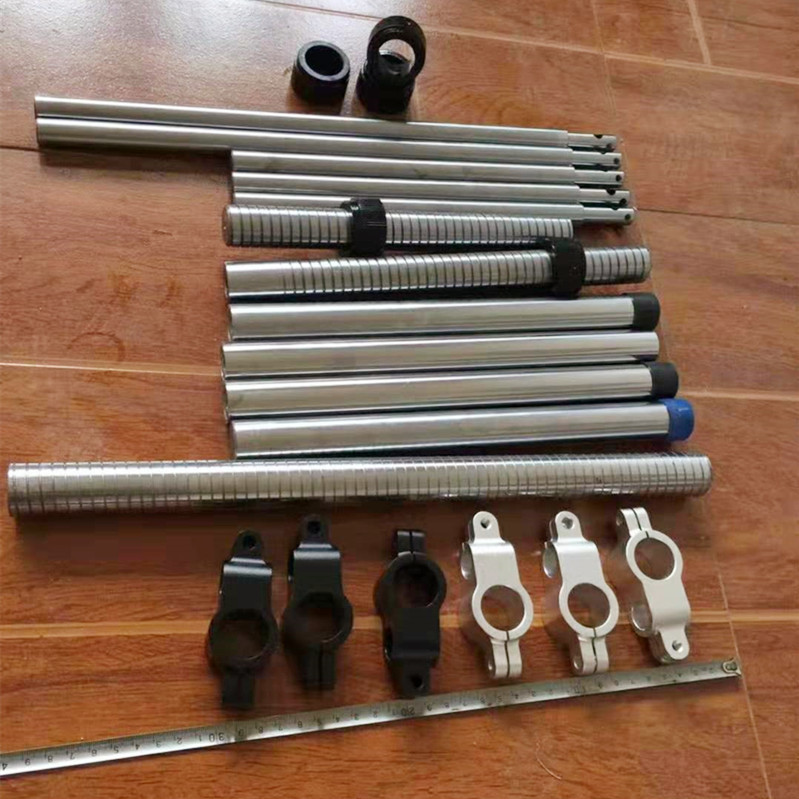
What is a Gate Valve Used For_
A gate valve is a crucial component in many industrial systems, designed to control the flow of liqu
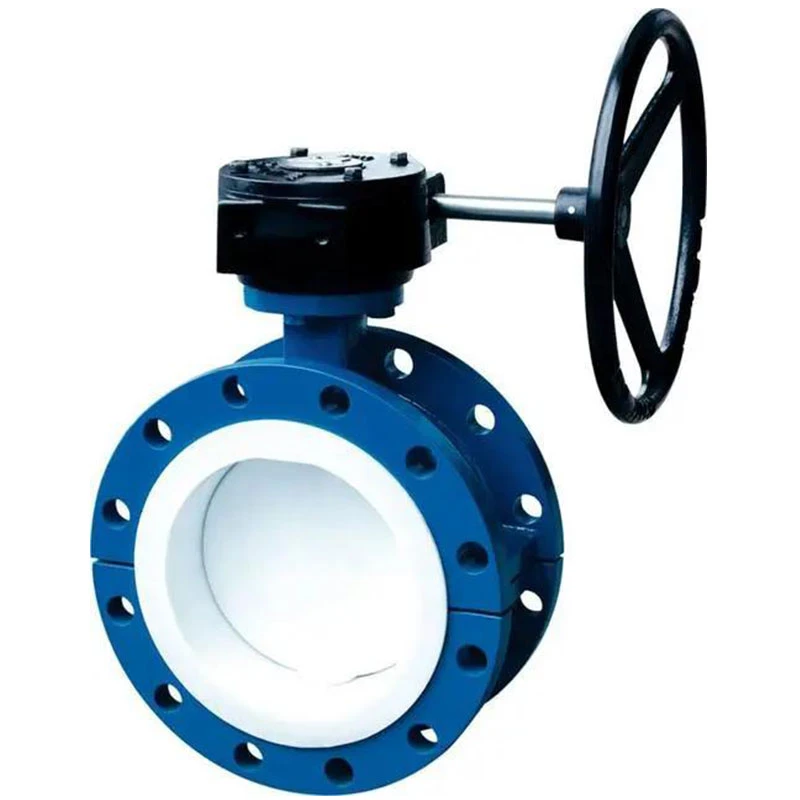
wskazuje mikrometr
Indykatory Mikrometryczne Zastosowanie i Właściwości Indykatory mikrometryczne to precyzyjne narzędz
 English